
Kasun Hewage
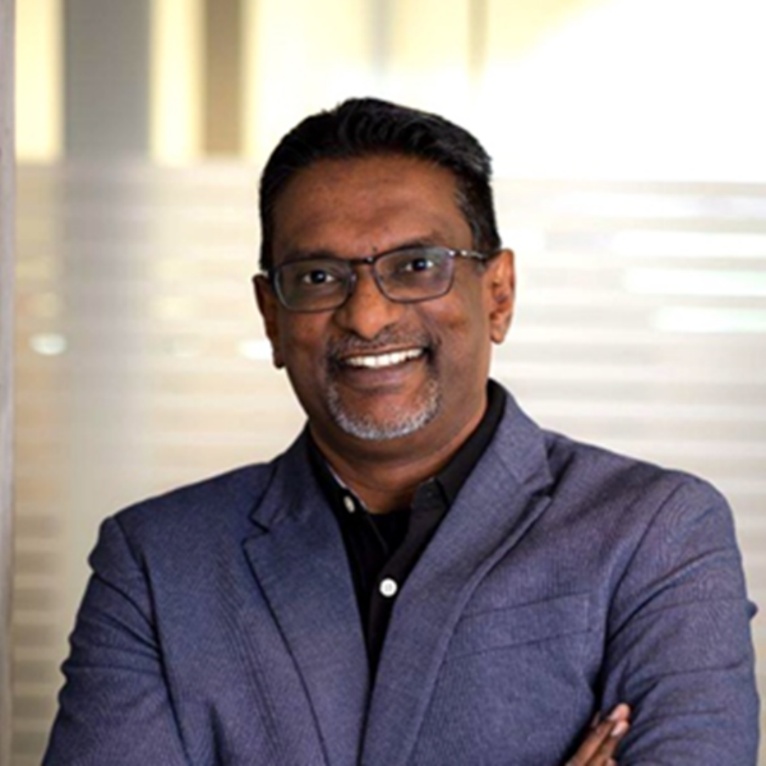
Professor of Engineering
School of Engineering (Okanagan Campus)
The University of British Columbia (UBC), Canada
FortisBC Smart Energy Chair\\Associate Director, Clean Energy Research Centre (CERC)
Net-Zero Communities through Life Cycle Thinking: Canadian Lessons and Global Implications
Abstract
This keynote presentation discusses how life cycle thinking supports the transformation of communities toward sustainable, resilient, and net-zero futures. Drawing on Canadian research, practice, and policy experience, the presentation highlights how integrated life cycle approaches can move beyond conventional carbon accounting to inform practical decision-making across buildings, infrastructure, energy systems, waste management, water systems, and industrial processes [1-8].
The keynote features research conducted at the Life Cycle Management Laboratory (LCML) at the University of British Columbia, Canada, an internationally recognized research hub led by Prof. Kasun Hewage. LCML brings together engineers, scientists, policy researchers, postdoctoral fellows, visiting scholars, and graduate researchers to translate data-intensive sustainability research into actionable climate solutions. The laboratory’s work is organized around six interconnected research themes: energy systems, urban development, water systems, waste management, construction and asset management, and industrial processes and products. Together, these themes provide an integrated platform for advancing life cycle–based pathways to net-zero communities. Supported by strong partnerships with government, industry, and community stakeholders, LCML has contributed to a substantial body of applied sustainability research, including more than 400 journal articles, 100 conference papers, and numerous technical reports that have informed real-world planning and implementation.
This keynote presentation highlights selected success stories that demonstrate how life cycle thinking can be translated into practical strategies for reducing environmental impacts while strengthening community resilience. These insights are especially relevant to the interdisciplinary focus of ICCSA 2026, which will be held in collaboration with the University of Minho in Braga, Portugal, from June 30 to July 3, 2026.
Short Bio
Prof. Kasun Hewage is a Full Professor and FortisBC Smart Energy Chair in the School of Engineering at the University of British Columbia. He also serves as Associate Director of UBC’s Clean Energy Research Centre and Director of the Life Cycle Management Laboratory. Prof. Hewage brings extensive multidisciplinary industrial experience in Canada and internationally. Prior to joining UBC in 2008, he worked as a business management cost specialist in the oil and gas sector and as a civil engineer on hydropower and infrastructure development projects.
His research focuses on integrating life-cycle thinking into urban development, energy policy, and infrastructure planning. A distinctive feature of his work is its whole-system perspective, extending beyond conventional assessment methods to evaluate products, processes, and built assets from material extraction through end-of-life. Through this approach, Prof. Hewage and his research team have supported governments, infrastructure developers, and communities in advancing low-impact and net-zero development strategies for both existing and planned communities.
Prof. Hewage currently leads many collaborative research projects on life-cycle management of built assets, green construction, smart energy systems, and sustainable community planning. His contributions have helped establish important benchmarks, decision-support methods, and implementation pathways for advancing sustainability in the Canadian and global construction sectors. He has authored or co-authored more than 300 peer-reviewed journal publications, in addition to numerous book chapters and conference papers presented at national and international forums.
Prof. Hewage is registered as a Professional Engineer in British Columbia, Canada. He is a Fellow of the Canadian Society for Civil Engineering, the Canadian Society of Senior Engineers, and the Engineering Institute of Canada.